|
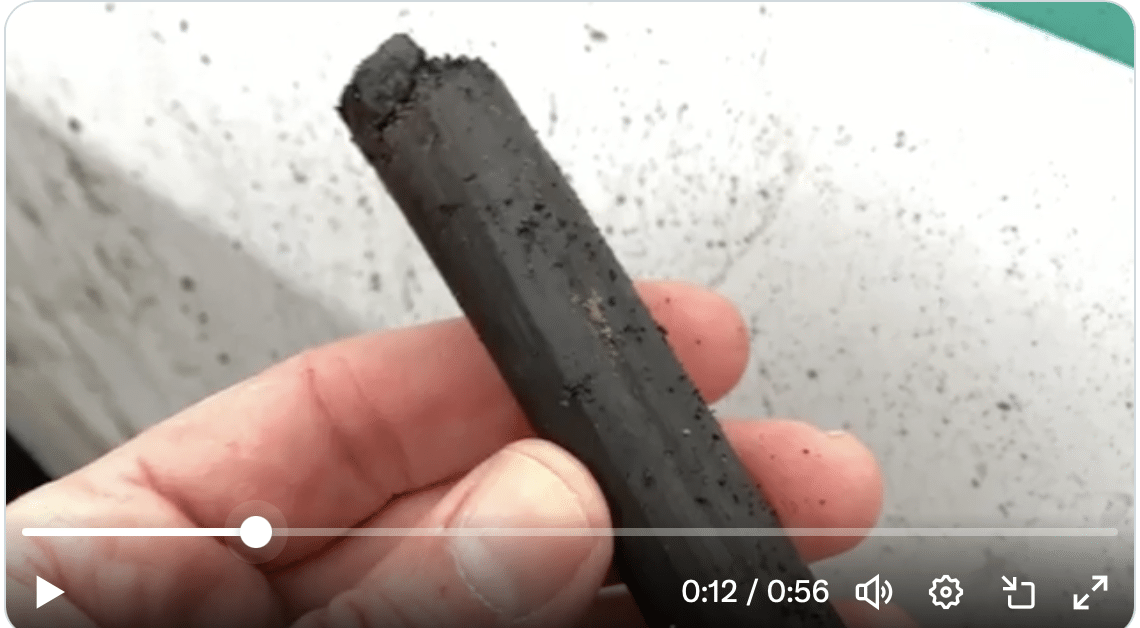
Jay Whetter went out to see soil sampling in action, and posted this short video on X. Mid November can be a great time for soil sampling.
|
|
What are the storage risk factors this winter?
A long warm fall can put canola at elevated risk for heating and storage loss. A big risk factor this year, and any year, is high-moisture dockage. The Canadian Grain Commission compared canola seed moisture and dockage moisture for 49 samples collected through its Harvest Sample Program in 2023 and another 50 in 2024. Average seed moisture for the 2023 samples was 7.46 per cent, which is perfect for safe long-term storage of canola. The risk: Average dockage moisture was 10.8 per cent. Results from 2024 are similar. If that dockage clumps together, as it often does, this could present a storage risk. Factors that increase canola storage risk. How to check bins for spoilage.
|
|
Is it too late for soil sampling?
Not at all. Late fall is an ideal time. With results this fall, farms can determine fertilizer rates for 2025 and start purchasing.
Canola needs, on average, 2.4 pounds of nitrogen, 0.9 pounds of phosphorus, 2.9 pounds of potassium and 0.9 pounds of sulphur per bushel. If the target yield is 50 bu./ac., multiply these nutrient numbers by 50 to get the crop need. Important: These are averages. Long-term soil test results paired with yield data can help refine the fertilizer recommendation. Farmers can work with agronomists to set fertilizer rates based on yield potential, fertilizer prices, crop budgets and their own risk tolerance. Soil sampling – timing, techniques and interpretation.VIDEO: Interpret soil test results for improved 4R
|
|
How to pick the right canola cultivars for 2025?
A canola cultivar with resistance to the biggest disease risks on a farm can improve profits. This is especially true for blackleg. When planning for 2025, look back at field records for the last time canola went on that field. If blackleg caused major yield loss, it may help to (1) rotate to a different source of resistance, (2) get seed treatment to help fend off early infection or (3) wait another year before growing canola on that field. Six basics of blackleg management. Choose the right cultivar for each field.
|
|
What were the worst canola yield robbers in 2024?
The Western Forum on Pest Management brought together crop disease and insect specialists from across the Prairies last week in Regina. Many reports delivered at the forum are based on field surveys and insect traps, which rely on farmers giving permission to survey fields. Please consider giving permission in 2025. Hot topics at the forum were:
- Blackleg
- Verticillium stripe
- Cutworm
One notable to put back on your radar for 2025:
- Bertha armyworm. They weren’t bad in 2024, but a few hotspots showed up. They will cycle back at some point. Will it be 2025?
Find the Western Forum disease and insect reports here. Look in the left column; insects on top, diseases below. Find descriptions and management tips for all pests at canolaencyclopedia.ca
|
|
Why should I attend winter agronomy meetings?
You get to hear how the year went, and get updates on top insects and diseases. You find out what could be the big agronomy challenges next season, giving you six months to prepare. You can also network and learn from different grower groups.
The calendar is filling up with agronomy events, including provincial agronomy conferences in Manitoba, Saskatchewan and Alberta, Canola Week in Saskatoon, and general winter events. Find event updates at the provincial canola organization websites (SaskOilseeds, Alberta Canola, Manitoba Canola Growers) and in Community Connections below.
|
|
 |
|
New research results
|
The Canola Digest Science 2024 edition includes summaries of recently completed canola research studies. These three questions are based on content from those summaries.
|
|
|
|
EVENT:
Canola Week 2024 will be a hybrid event December 3-5 with the in-person portion hosted at TCU Place in Saskatoon, Saskatchewan. Visit the conference website for program information, event details and to register.
|
|
|
|
PROGRAM:
The Canadian Grain Commission’s voluntary Harvest Sample Program will accept harvest samples of canola and other grains until November 30. In exchange for submitting canola samples, growers get: (1) unofficial grade*, (2) dockage assessment and (3) oil, protein and chlorophyll content. The CGC uses submitted samples to generate quality and safety data that helps marketers promote domestic and international sales of Canadian grain, evaluate the effectiveness of grading factors, and conduct scientific research to mitigate grain quality and grain safety issues. *The grade provided through the Harvest Sample Program is unofficial because samples aren’t collected by a Canadian Grain Commission inspector. Click here for sample kits and more information.
|
|
|
|
EVENT:
Alberta Canola Grower Engagement Meetings are at four locations – November 21 in Lethbridge, November 26 in Lacombe, November 28 in Camrose and December 11 in Grande Prairie. The online GEM is December 18. Information and registration for each
|
|
|
|
EVENT:
Saskatchewan Agronomy Research Update, December 10-11 in Saskatoon. Information and registration
|
|
|
|
EVENT:
Manitoba Agronomists’ Conference, December 11-12 in Winnipeg. Information and registration
|
|
|
|
EVENT:
Saskatchewan Crops Forum, January 14&15 at the Western Development Museum in Saskatoon. The program includes four keynote speaker sessions, networking opportunities and AGMs for SaskOilseeds, SaskBarley, Sask Pulse Growers and Sask Wheat. Information and registration
|
|
|
|
EVENT:
Alberta Agronomy Update, January 14-15. Online only. Information and registration
|
|
|
|
EVENT:
Alberta Canola’s Conference and AGM are January 22 and its Research Symposium is January 23. The combination event is in Red Deer. Information and registration.
|
|
|
|
EVENT:
Manitoba Canola Growers AGM is February 11, the day before the CropConnect Conference starts in Winnipeg. Information and registration for CropConnect.
|
|
|
|
SUPPORT:
Are you or is someone you know feeling burnt out, unreasonably stressed or exhausted? Help is available.
– Support lines by province
– Do More Ag Foundation
|
|
|
|